


Is Bulk Buying Always More Predictable with YOSHINE Level Controller Relay Supplier
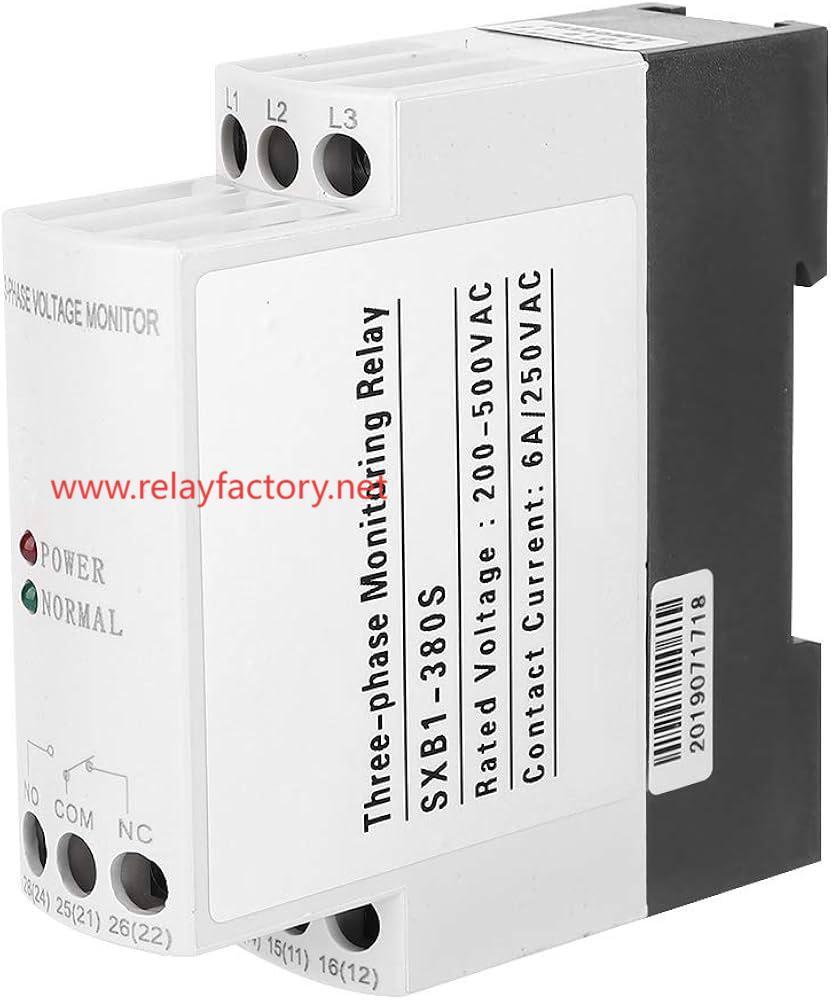
YOSHINE Level Controller Relay Supplier often comes into the picture when procurement teams start looking at bulk orders and notice that pricing is not as fixed as it first appears. In industrial sourcing, numbers on paper rarely tell the whole story. What happens behind the scenes matters just as much, sometimes even more.
One of the first things that influences cost is how the order fits into production flow. Factories do not operate in isolation for a single buyer. Orders get placed into a larger schedule, and if the timing aligns smoothly, the process tends to move with fewer adjustments. If it does not, additional planning steps come in, and that naturally changes how costs are structured.
Order size also plays a role, but not in a simple way. Larger quantities can make production more efficient, but they also introduce coordination needs. More units mean more handling, more staging, and sometimes longer production windows. So while scale can help balance some costs, it also introduces new layers of planning that affect the final figure.
Another quiet factor is packaging and preparation. Industrial components are rarely shipped in a single uniform way. Different project requirements can lead to different packing structures, labeling formats, or delivery segmentation. Each of these small details adds time and handling effort, which gradually influences pricing without being obvious at first glance.
Then there is inspection and consistency checking. In bulk sourcing, maintaining uniformity across batches is not just a preference but often a requirement. That means additional steps inside production and before shipment. These steps do not always change the product itself, but they do change the workflow behind it, and that is where cost adjustments tend to appear.
Timing patterns also matter more than many expect. If orders come in steadily, production can be planned in a smoother rhythm. If demand fluctuates, scheduling becomes more complex, and that complexity gets reflected in how resources are allocated. It is less about single transactions and more about how predictable the overall flow feels over time.
What makes bulk pricing interesting is that it is never driven by one factor alone. It is the mix of volume, timing, production flow, and small operational decisions that shape the final structure. Once those elements start interacting, pricing becomes more about coordination than calculation.
For teams working through procurement planning or comparing sourcing options, product details and application context can be checked here https://www.relayfactory.net/product/ and used as a reference point when aligning expectations with real project conditions.

 English
 Arabic
 Spanish
 Portuguese
 Deutsch
 Turkish
 Dutch
Dutch
 Italiano
 Russian
 Romaian
 Portuguese (Brazil)
 Greek
Greek