


How Does FY-valve Reflect China Valve Manufacturer Material Choices?
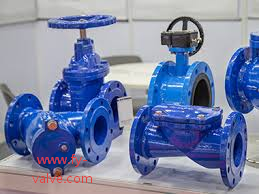
Material selection plays a central role in valve production, shaping durability, resistance, and adaptability across various industrial environments. A reliable China Valve Manufacturer often evaluates working conditions, fluid characteristics, and pressure levels before choosing suitable materials, ensuring that each valve performs steadily within its intended system. From petrochemical pipelines to water treatment systems, material decisions influence every stage of operation, including installation, maintenance, and lifecycle expectations. When examining a platform such as FY-valve, it becomes clear that material knowledge is closely tied to manufacturing experience and application understanding. Could the right material choice be the foundation of consistent valve performance?
Among the commonly used materials, carbon steel remains widely applied due to its balanced mechanical strength and structural stability. It is often selected for general industrial conditions where extreme corrosion resistance is not required, allowing manufacturers to maintain efficiency while ensuring durability. Stainless steel, on the other hand, offers strong resistance to corrosion and oxidation, making it suitable for chemical processing, food industries, and marine environments. Its composition allows it to withstand harsh fluids and varying temperatures, supporting long term usage without significant degradation.
Another important category includes alloy steel, which is engineered to handle high temperature and high pressure conditions. This material is frequently used in energy related sectors, where valves must endure demanding operational cycles while maintaining integrity. Brass and bronze are also utilized in specific applications, particularly in water systems and low pressure environments, where their anti corrosion properties and ease of machining provide practical advantages. Each of these materials serves a distinct purpose, reflecting how manufacturing decisions align with real world usage scenarios.
Plastic and composite materials have gradually gained attention in certain industries, especially where lightweight design and chemical resistance are required. These materials are often applied in specialized systems, offering flexibility and cost efficiency while meeting performance standards. Although they may not replace traditional metals in all applications, their presence highlights the evolving nature of valve manufacturing and the willingness to adapt to new requirements.
Material selection is not only about physical properties but also about compliance with international standards and certifications. Manufacturers must ensure that chosen materials meet regulatory requirements, especially in industries such as oil, gas, and pharmaceuticals. This involves testing, traceability, and documentation, all of which contribute to building trust between manufacturers and global clients. A consistent approach to material verification supports long term cooperation and project reliability.
In addition, environmental considerations are becoming increasingly relevant in material selection. Sustainable production practices encourage the use of materials that reduce waste, improve energy efficiency, and support recycling processes. These factors are gradually influencing how valves are designed and produced, shaping the future direction of the industry without compromising performance expectations.
Understanding why certain materials are used helps buyers make informed decisions when selecting valve products. It allows them to match operational needs with appropriate specifications, avoiding unnecessary risks and ensuring smooth system performance. Knowledge of material characteristics also simplifies communication between suppliers and clients, creating a shared understanding of project requirements.
Exploring valve solutions through platforms like https://www.fy-valve.com/ provides insight into how material expertise is integrated into product design and manufacturing processes. By observing how different materials are applied across various valve types, users can gain a clearer perspective on performance expectations and application suitability. As industries continue to evolve, will material innovation remain the driving force behind valve reliability and efficiency?

 English
 Arabic
 French
 Spanish
 Deutsch
 Turkish
 Dutch
Dutch
 Italiano
 Russian
 Romaian
 Portuguese (Brazil)
 Greek
Greek