


Zjdfjx Compares: Which Drive System Serves a Heavy-Duty Door Punching Machine More Effectively?
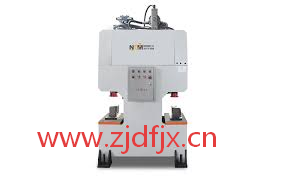
What determines the long-term reliability of a punching operation on thick door frames? The answer sits inside the drive system. Heavy steel door components demand consistent force delivery, controllable stroke depth, and predictable cycle timing. A Door Punching Machine equipped with the wrong drive type produces inconsistent holes, accelerated tool wear, and unplanned downtime. Zjdfjx builds both hydraulic and mechanical presses, offering direct comparison data from actual door production lines.
Hydraulic drive systems use pressurized fluid to generate ram force. This technology allows full tonnage delivery at any point in the stroke. A hydraulic-powered unit maintains pressing force regardless of ram position. Operators set a specific pressure value, and the system holds that value through the entire punching depth. This characteristic serves heavy door applications where material thickness varies across the same panel. Hydraulic systems also permit adjustable stroke length without mechanical modification. Door factories producing multiple frame sizes benefit from this flexibility.
Mechanical drive systems store energy in a flywheel. A clutch engages to transfer that stored energy through a crankshaft. The ram follows a fixed stroke path with each cycle. Mechanical presses deliver rapid cycle rates once the flywheel reaches operating speed. This speed suits high-volume production of identical door components. However, mechanical systems cannot adjust stroke depth or maintain pressing force at non-bottom positions. Hole quality depends entirely on consistent material thickness and position. Any variation in door frame gauge produces different hole results.
Force delivery differences appear during real production runs. Hydraulic systems sense resistance and maintain pressure. When a hydraulic-powered press encounters a thicker section of door frame, the ram slows slightly but continues pushing with full set force. Mechanical systems lack this adaptive capability. A mechanical press delivers the same force profile regardless of material variation. Thicker material sections receive the same impact force as thinner sections, potentially damaging tooling or producing incomplete holes.
Stroke control separates the two technologies clearly. Hydraulic drives hold ram position at any height. Door factories use this feature for partial-depth punching, countersinking operations, or multi-step forming sequences. Mechanical presses complete a full stroke once engaged. Partial depth requires secondary systems or mechanical stops. These stops add complexity and adjustment time during product changeovers. Door production lines running multiple SKUs each shift prefer hydraulic stroke flexibility.
Energy consumption patterns differ between drive types. Hydraulic systems draw power only during active pumping. Between cycles, the motor unloads or stops. Mechanical presses require continuous flywheel rotation. That rotation consumes energy even during idle periods between door panel placements. High-volume continuous operation minimizes this idle loss, but most door factories experience variable feed rates. Hydraulic efficiency matches actual production demand.
Maintenance requirements show notable contrasts. Hydraulic systems need periodic oil changes, seal replacements, and filter servicing. Mechanical systems require clutch adjustment, brake inspection, and bearing lubrication. The hydraulic approach involves fewer moving components inside the power transmission path. Fewer parts mean fewer failure points. Zjdfjx service records indicate hydraulic presses spend less total time in unscheduled repair compared to mechanical units of similar tonnage in door applications.
Overload protection functions automatically in hydraulic systems. Pressure relief valves prevent ram force exceeding safe limits. Mechanical presses lack this inherent protection. An overload event on a mechanical unit risks frame damage or tooling destruction. Door factories producing prototype panels or short runs appreciate hydraulic overload immunity.
The original question asks which drive system serves heavy-duty door punching more effectively. The answer depends on production volume and product mix. Hydraulic drives provide stroke flexibility, force consistency, and overload protection. These characteristics match door factories running varied panel types, material gauges, and hole patterns. Mechanical drives offer raw speed for identical components produced continuously. For most heavy-duty door applications, hydraulic drive delivers more consistent hole quality across real-world production conditions.
Review drive system specifications and tonnage options at https://www.zjdfjx.cn/product/hydraulic-press-machinery/ before selecting your next punching line equipment.

 Arabic
 French
 Spanish
 Portuguese
 Deutsch
 Turkish
 Dutch
Dutch
 Italiano
 Russian
 Romaian
 Portuguese (Brazil)
 Greek
Greek